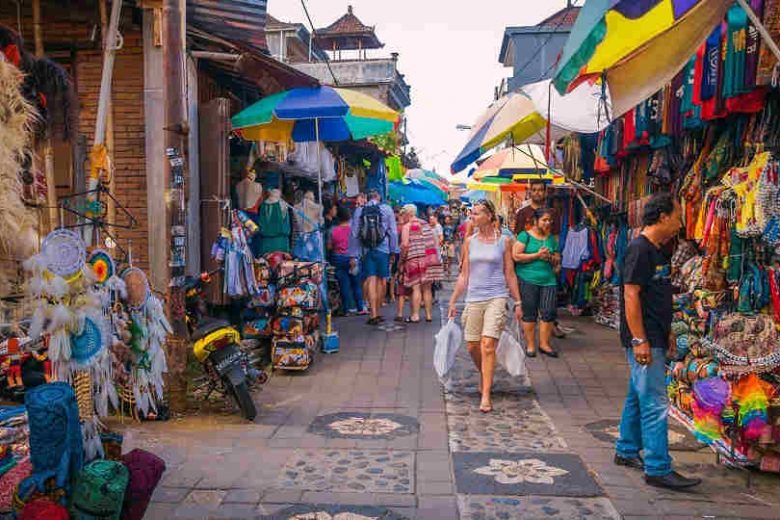
One thing that every tourist loves to do when they travel to a different part of the world on vacation is go shopping, and if that destination happens to be Bali, then they are spoilt for choice. Bali is home to some of the most diverse shopping experiences you can imagine, with everything from traditional street markets to huge air conditioned shopping malls.
The range of products that you can purchase is also huge with handcrafted goods, local brands, international goods, and of course, the quintessential souvenirs of Bali that every tourist wants to take home. To give you some indication of the diversity of shopping destinations you have in Bali, here are seven of them.
Ubud Art Market: If you are looking for local and traditional art, carvings, jewellery, and textiles then Ubud Art Market is the place you will find them. Many of them come from local villages and prices are very reasonable. This market is referred to as Pasar Seni Market by locals.
Beachwalk Shopping Centre, Kuta: If you wish to combine a bit of upmarket shopping with some entertainment you will find them at the Beachwalk Shopping Centre in Kuta. Modern, with all amenities, it plays host to a host of brand name stores such as H&M, Gap, and Fossil. It also has plenty of places where you can eat, a children’s play area, and as for entertainment, there are dance shows and a musical fountain.
(more…)